Discover why silver is poised for a breakout year and how to position your portfolio to take advantage of rising industrial and monetary demand.
Silver has long lived in the shadow of gold, often referred to as the ‘poor man’s gold.’ However, sophisticated investors understand that silver offers unique advantages that gold simply cannot match. In 2026, the landscape for silver is changing rapidly, driven by a perfect storm of macroeconomic factors and industrial shifts that are fundamentally altering the precious metals market.
Get the 2026 Gold & Silver IRA Guide →
Unlike gold, which is primarily held as a monetary asset and store of value, silver has massive industrial applications that make it a dual-purpose asset. It is the most conductive element on earth, making it indispensable in modern technology. From solar panels and electric vehicles to 5G infrastructure and medical applications, the demand for physical silver is skyrocketing. In the solar industry alone, silver is a non-negotiable component for photovoltaic cells. As the global transition to renewable energy accelerates, the photovoltaic sector is projected to consume an increasingly large percentage of annual silver mining production, potentially creating a bottleneck for manufacturers who haven’t secured their supply.
The electric vehicle (EV) revolution further compounds this demand. Modern EVs use significantly more silver than internal combustion engine vehicles due to the extensive electronic systems required for battery management, power conversion, and autonomous driving features. Every sensor, control unit, and charging interface relies on silver’s superior conductivity. When you combine this with the rollout of 5G networks, which require silver in every base station and connected device to ensure high-speed data transmission, it becomes clear that we are entering a new era of industrial silver consumption that the world has never seen before.
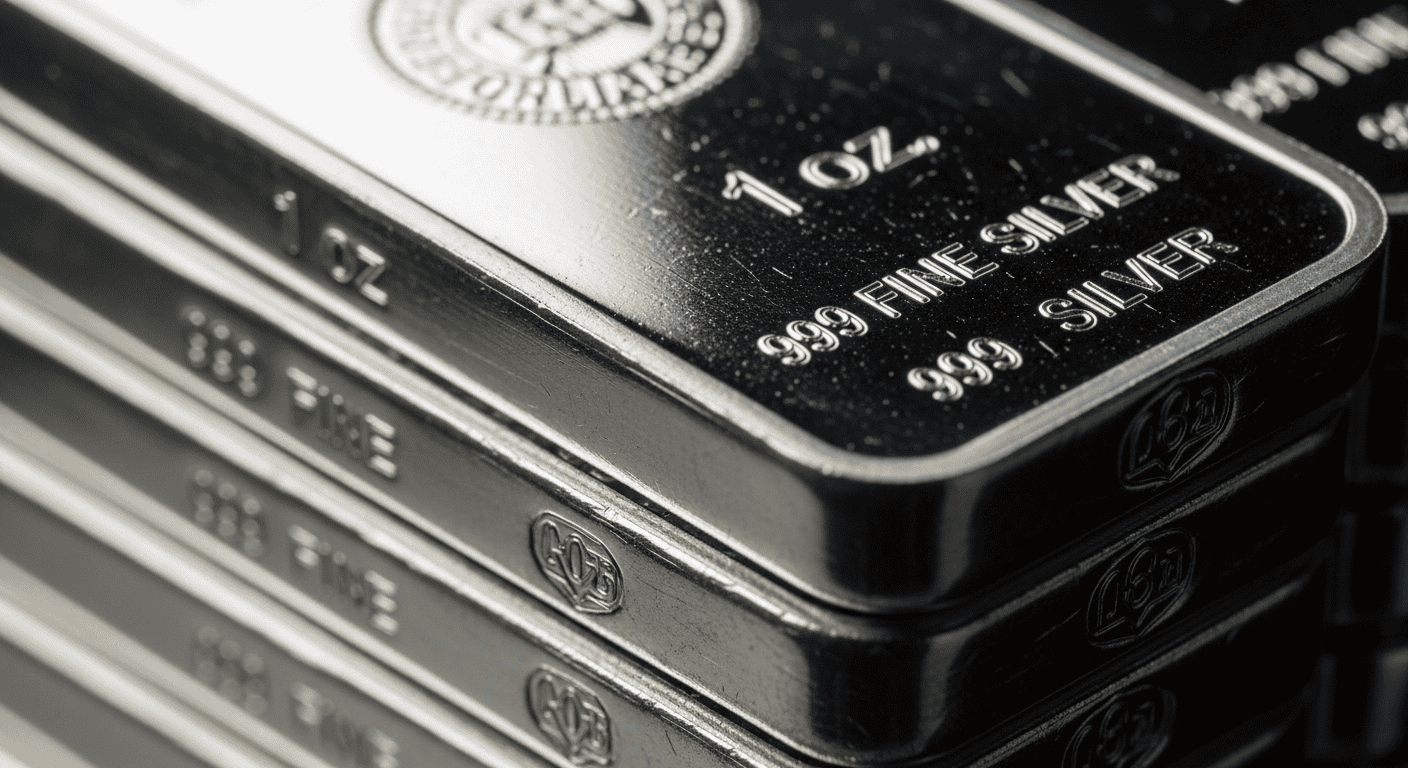
At the same time, the supply of silver is structurally constrained and inelastic. Approximately 70% of silver is mined as a byproduct of other metals like copper, lead, and zinc. This means that silver production cannot easily be ramped up to meet sudden spikes in demand, as it depends on the mining economics of other commodities. We are currently witnessing a multi-year structural deficit where global demand consistently outstrips new supply, drawing down above-ground stockpiles to dangerously low levels. This depletion of inventory is often ignored by the ‘paper’ markets, but it is a critical factor for anyone looking to own the physical metal.
Get the 2026 Gold & Silver IRA Guide →This fundamental mismatch between exploding industrial demand and constrained supply creates a compelling investment thesis that is hard to ignore. When you add the traditional role of silver as an inflation hedge and safe-haven asset, the case for allocating a portion of your portfolio to silver becomes clear. In an era of high debt-to-GDP ratios, persistent currency debasement, and geopolitical uncertainty, tangible assets like silver provide a necessary anchor for any diversified portfolio. Silver acts as a form of financial insurance that also happens to have massive industrial upside.
In this comprehensive guide, we’ll walk you through everything you need to know to start investing in silver safely and securely. We will explore the differences between physical bullion—such as sovereign coins and bars—and ‘paper’ silver instruments like ETFs and mining stocks. We’ll also provide a checklist for finding reputable dealers and understanding the tax implications of precious metals investing in 2026. Whether you are looking for long-term wealth preservation or tactical upside, silver offers a unique opportunity in the current financial landscape to protect and grow your wealth simultaneously.
Pro Tip: If you’re looking to protect more than $50k in retirement savings, see our Top Rated Gold & Silver IRA Companies for 2026.