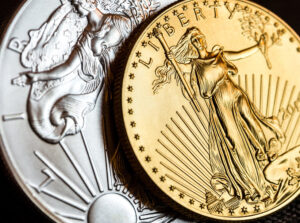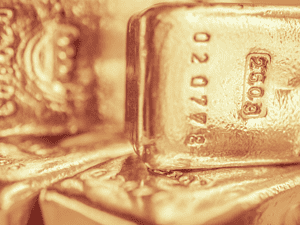
Once you’ve decided to invest in silver, the next step is determining the best way to own it. While ETFs and mining stocks offer exposure, many investors prefer the ultimate security of physical metal in their own possession. Choosing the right form of silver depends on your specific goals regarding liquidity, premiums, and storage requirements. It is a decision that impacts how easily you can sell and how much metal you actually get for your money.
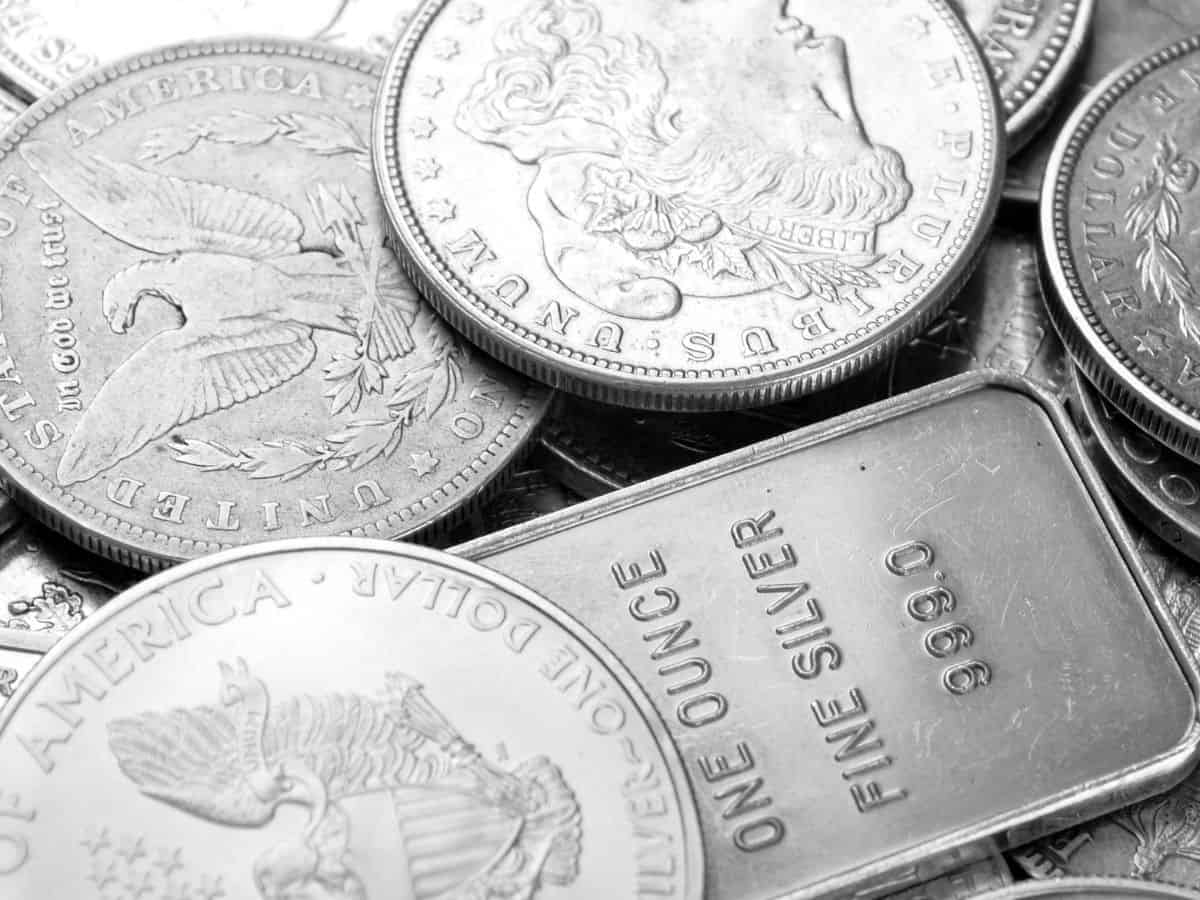
Sovereign Silver Coins: These are minted by government mints such as the US Mint (Silver Eagle), Royal Canadian Mint (Maple Leaf), or the Perth Mint (Kookaburra). They carry a legal tender face value and are backed by the issuing government for weight and purity. Because of their high recognizability and legal status, they are the most liquid form of silver and often easiest to sell back to any dealer. However, they also tend to carry the highest premiums over the spot price due to their manufacturing costs, security features, and the prestige of owning government-backed bullion.
Get the 2026 Gold & Silver IRA Guide →Silver Rounds: These are produced by private mints and do not have a face value. They typically contain exactly one ounce of .999 fine silver and often feature beautiful historical or original designs. Silver rounds are an excellent way for investors to accumulate pure silver at a lower premium than sovereign coins. They are widely accepted by bullion dealers and are perfect for those who want the most silver for their dollar but still prefer the convenient 1oz size. They are essentially the ‘generic’ version of silver coins.
Silver Bars: For those looking to acquire larger quantities of silver, bars are often the most cost-effective solution available. They come in sizes ranging from 1 ounce to 100 ounces, and even 1,000-ounce ‘Comex’ bars for institutional buyers. Generally, the larger the bar, the lower the premium you will pay per ounce. Bars are easy to stack and store efficiently, though they may require more rigorous testing or an assay when it comes time to sell compared to recognizable coins. They are the professional’s choice for deep-value silver accumulation.
In this guide, we also emphasize the importance of due diligence. When buying physical silver, only work with reputable, long-standing dealers with a proven track record. Look for companies with high ratings from the Better Business Bureau and thousands of positive customer reviews. Avoid ‘too good to be true’ deals on auction sites or social media, as counterfeit silver is a real and growing risk in the market today. We recommend testing your silver using simple methods like the ‘ping test’ or a neodymium magnet test to ensure you are getting exactly what you paid for.
Finally, consider your storage and insurance options. Small amounts of silver can be kept in a high-quality, bolted-down home safe, but as your collection grows, you may want to look into professional third-party vaulting services. Many reputable dealers offer secure, fully insured storage in ‘allocated’ accounts, meaning your specific bars and coins are held separately and are not part of the company’s balance sheet. This provides the ultimate peace of mind while keeping your silver liquid and ready for sale at a moment’s notice. By following these best practices, you can build a physical silver position that provides true security and long-term wealth preservation.
Pro Tip: If you’re looking to protect more than $50k in retirement savings, see our Top Rated Gold & Silver IRA Companies for 2026.