An in-depth analysis of the gold-to-silver ratio and why historical trends suggest silver is currently undervalued compared to gold.
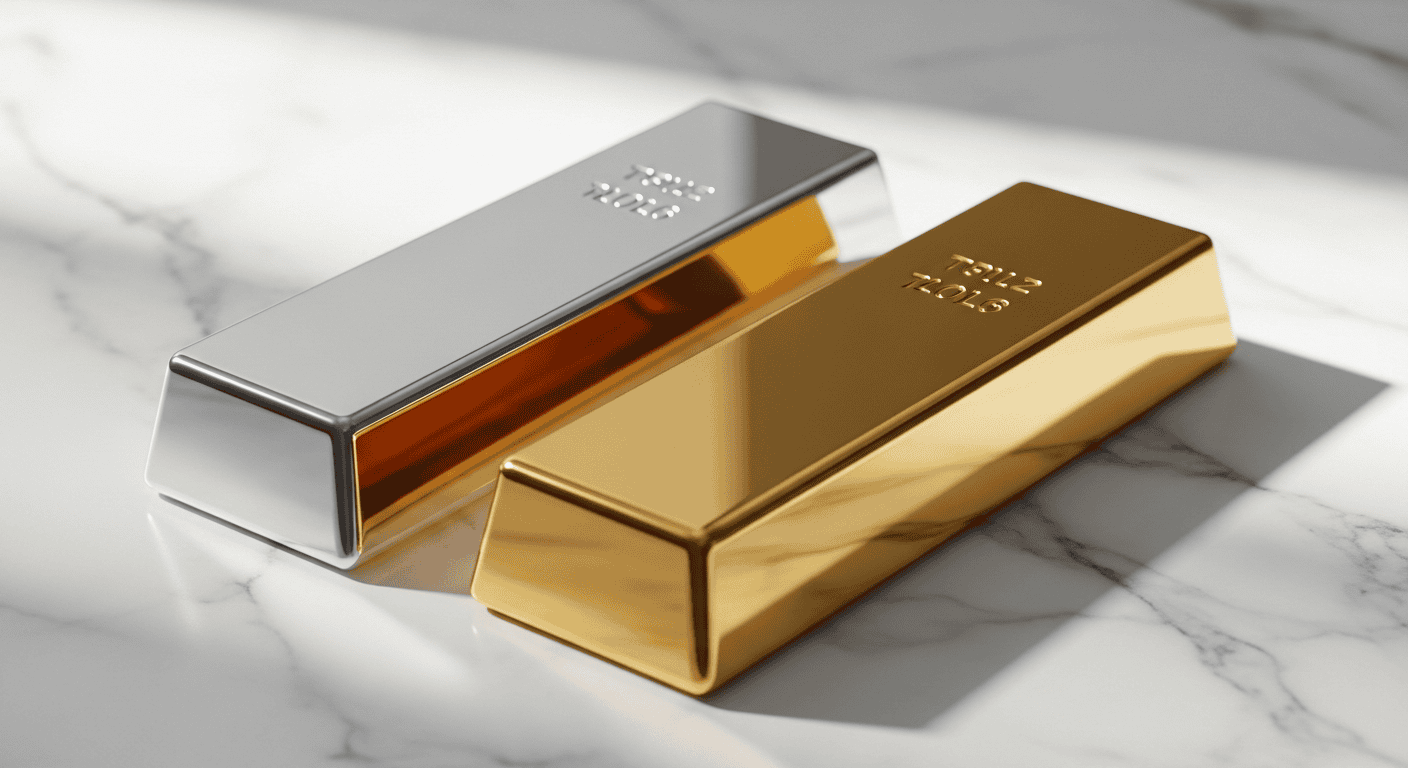
The debate between investing in silver versus gold is as old as the markets themselves. Both metals have served as reliable stores of value for thousands of years, protecting wealth against currency debasement and inflation. However, the choice between the two often comes down to an investor’s specific goals, risk tolerance, and view on the current market cycle. While gold is the king of safety, silver is often the king of opportunity during precious metals bull runs.
Volatility Comparison
Gold tends to be less volatile and is often viewed as the ultimate safe haven during times of severe economic distress. It is the primary reserve asset for central banks and is held in massive quantities as a hedge against systemic failure. Silver, on the other hand, is known for its high volatility. Because the silver market is much smaller than the gold market in terms of total dollar value, it takes significantly less capital to move the price. This means that during bull markets, silver often outperforms gold by a wide margin, offering superior percentage gains for those who can stomach the swings.
The Gold/Silver Ratio
One of the key metrics investors use to compare the two metals is the Gold/Silver Ratio. This ratio tells you how many ounces of silver it takes to buy one single ounce of gold. Historically, in modern times, this ratio has averaged around 50:1 to 60:1. However, we’ve seen periods where the ratio has spiked to over 100:1, such as during the 2020 pandemic crash. When the ratio is at these extreme highs, it historically signals that silver is severely undervalued relative to gold and is poised for a massive catch-up rally.
2026 Market Outlook
In 2026, the ratio remains elevated compared to historical norms, even as both metals have seen price appreciation. This suggests that silver still has significant ‘catch-up’ potential as industrial demand bites. For an investor looking for stability and deep liquidity, gold remains the bedrock of a portfolio. But for those looking to maximize their upside during a precious metals bull run, silver may be the more tactical play to grow purchasing power rapidly.
Storage Logistics
Another factor to consider is storage and density. Gold is much more value-dense; you can hold $100,000 worth of gold in the palm of your hand. The same dollar amount of silver would require several large, heavy boxes, weighing hundreds of pounds. This makes gold easier to transport and hide, while silver requires more robust storage solutions and logistical planning. We recommend most investors hold a mix of both, perhaps a 70/30 split favoring gold for stability, or 50/50 if they have a more bullish outlook on industrial demand and are comfortable with the storage requirements.
Pro Tip: If you’re looking to protect more than $50k in retirement savings, see our Top Rated Gold & Silver IRA Companies for 2026.
Strategic Summary
Ultimately, both metals provide essential protection against the ‘hidden tax’ of inflation that erodes fiat currency. By understanding the historical relationship between gold and silver, you can better time your entries and rebalance your portfolio as the ratio shifts. This ‘ratio trading’ strategy can allow you to increase your total ounces of precious metals over time without adding new capital, simply by moving between the two metals at the right moments.
Get the 2026 Gold & Silver IRA Guide →